Getting kids to write isn’t just about teaching them grammar and spelling. It’s about sparking genuine curiosity so that writing feels more like play than classroom work. When kids see writing as a way to share their own stories, dreams, or interests, they’re way more likely to pick up a pencil without being asked. Creating an environment where writing is fun and feels meaningful helps set kids up for a lifetime of confident self-expression—whether that shows up in a journal, through creative stories, or even future emails and presentations.
Why Fun Writing Topics Matter for Kids
Kids naturally gravitate toward things that interest them. When writing assignments match their hobbies, secret wishes, or wild ideas, they suddenly light up and want to take part. Schools sometimes use structured writing, but mixing in topics kids genuinely care about keeps motivation strong. Boring, repetitive prompts can make writing feel like a chore, pushing kids away from the process.
Fun and creative prompts can unlock many hidden ideas for kids of all ages. These might be about dream vacations, wild inventions, or even just their favorite ice cream flavors. I’ve seen that when kids are itching to share what’s on their mind, written words flow easily onto the page—even if spelling isn’t perfect or sentences aren’t super polished yet. The important part is that kids start to see writing as their own space to imagine, create, and express.
Common Obstacles to Getting Kids to Write
Even the most enthusiastic kids can hit a few bumps when it comes to writing. Here are a few challenges I’ve noticed, along with some simple fixes that really make a difference:
- Lack of Confidence: Some kids worry they’ll make mistakes. Prompts that focus on fun, not perfect grammar, help build bravery.
- Rigid Topics: Assignments that don’t connect to their world or interests can feel pointless. Swapping to creative or personalized themes turns things around.
- Not Enough Choice: When kids have no say in what they write, they tune out. A list of topics to pick from gives them ownership and control.
- Limited Resources: Sometimes, kids don’t know where to start or need a little imaginative nudge. Special workbooks and colorful writing materials can bring fresh energy.
Encouraging Ownership in Writing
Giving kids some control over what they write is a simple but powerful trick. When they pick their topic—maybe from a fun list or by brainstorming together—they feel more invested. Setting aside “free write” time in class or at home leads to surprising results. Kids who once dragged their feet start producing pages about things they care about. And yes, letting them decorate their pages or use stickers and markers can actually give a boost to creativity.
Ways to Inspire Kids to Write for Fun
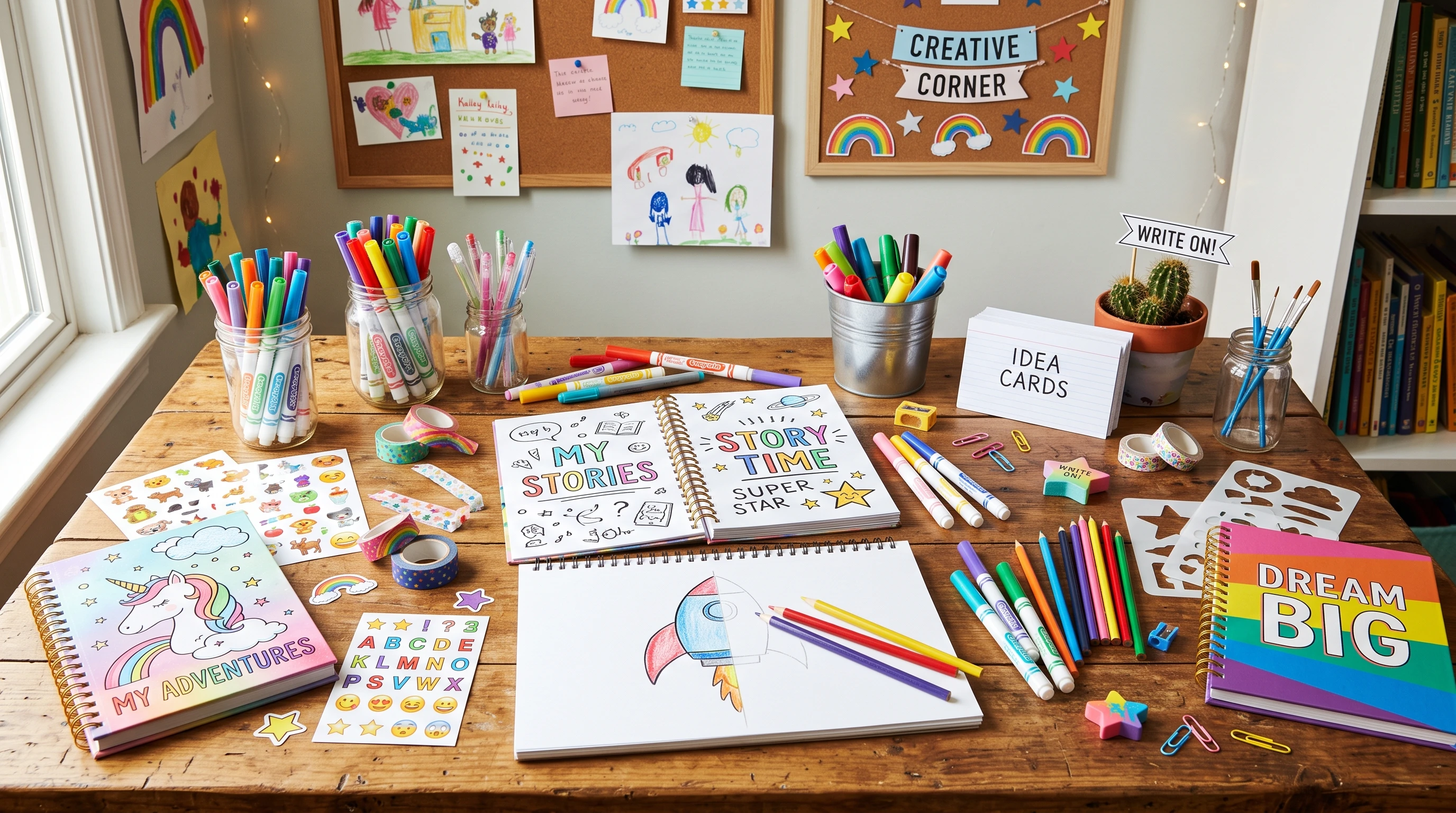
Creating the right environment is super important. I like to keep a stash of colorful pens, notebooks, and even themed journals handy. Sometimes, I’ll pull out a special workbook when a kid seems bored with their usual routine. Chests full of stickers, wacky paper, and new gel pens are also great ways to give writing time some next-level cool.
- Prompt Journals: These have playful, unexpected questions—like “Design your dream bedroom” or “Write a letter to a future version of yourself.” Kids get a kick out of these, and they often want to fill in more prompts on their own.
- Story Starters: Open-ended beginnings like “The day the school became a spaceship…” kickstart creativity. The sillier, the better.
- Real Life Adventures: Urging kids to write about a family vacation, pet adventure, or field trip taps into real experiences. Travel journals designed for kids add a little guidance to make this easy.
- Creative Workbooks: Books that mix together drawing, designing, and storytelling can be really helpful. These can reach both kids who love words and those who’d rather illustrate their ideas first.
Some resources even combine these ideas. My Girls’ Glamour Book, Exploring Writing for Kids, Travel Journal for Kids, and Design and Write Workbook all use this approach. They go way beyond practicing handwriting—they invite kids to stumble upon new worlds, plan trips, create fashion collections, and tell stories that matter to them. Picking a workbook that fits your child’s style gets the writing energy going at home or in small groups.
In addition to using workbooks, you can build a writing routine using writing games, silly prompts, and even friendly competitions for the most creative story or funniest poem. Encouraging kids to put on “author hats” (even funny costume hats!) can set the mood and help them see themselves as storytellers or reporters. Another idea is to have a “mailbox” at home where family members write short notes or questions to each other, making writing a regular part of daily life.
Creative Ideas to Get Kids Started
- Make It About Their World: Have kids write about their favorite game, a recent dream, or even a silly “what if” scenario. Personal connections keep things exciting.
- Use Art as a Springboard: Ask kids to draw a picture and then write the story behind it. Combining art and words makes writing less intimidating.
- Try List Writing: Lists are less pressure than full stories. Have kids create lists of favorite foods, magic powers they’d like, or facts about a made-up animal.
- Incorporate Movement: Take a “writing walk” where kids jot down things they see, then turn those notes into a poem or short paragraph inside.
- Invite Collaboration: Partner stories (where one child starts and another adds to it) usually lead to lots of laughter and new ideas.
- Connect Writing to Media: Encourage your kids to write reviews of their favorite movies or video games, record a pretend podcast script, or write a letter to a favorite character. Connecting writing to their everyday entertainment helps it feel relevant and fun.
- Use Themed Writing Days: Try “Mystery Monday” (write a mini-mystery), “Whimsical Wednesday” (invent silly creatures), or “Future Friday” (write about life ten years from now) to add a little structure and spark to their creative routine.
Simple Ways Parents and Teachers Can Make Writing Fun
Sometimes, it’s the small details that turn writing into an activity kids want to do. Here are a few tweaks I find helpful:
- Create a Cozy Writing Space: Setting up a small desk or creative nook with crayons, gel pens, and a choice of journals or workbooks can naturally bring kids in.
- Celebrate Every Attempt: Cheer for effort, not just neatness. Maybe hang their stories on the fridge or start a family “story night.”
- Mix Genres: Switch between letters, comics, lists, or pretend news reports. Writing takes lots of forms, and mixing in variety keeps things interesting.
- Share Your Own Writing: When adults model journaling or keep notes themselves, kids are more likely to follow along and join in.
- Provide Playful Materials: Stickers, stamps, or special paper can make writing feel less formal and more like an extension of other creative play.
- Use Technology: Help your child type short stories, record spoken word poems, or create digital comics if they gravitate toward gadgets. This adds a fun twist and prepares them for tech-driven writing assignments later on.
Choosing the Right Workbook
When checking out a writing workbook, pick ones that spark curiosity and don’t feel too “school-like.” For example, a workbook filled with travel prompts encourages kids to dream about places they want to visit. Something like the Travel Journal for Kids offers guided questions but still leaves room for creativity. Workbooks that urge kids to design outfits, write stories, or explore weird animal facts can turn writing time into a favorite part of the day.
Frequently Asked Questions
Question: What if my child “hates” writing?
Answer: Sometimes, this dislike comes from writing that feels too hard or boring. Try inviting creativity with drawing-and-writing prompts, comic pages, or a silly story contest. Let them write about what they love—even if it’s a whole page on pizza toppings.
Question: How much writing should kids do outside of school?
Answer: No set number is needed. Aim for short, positive sessions a few times a week—ten minutes here or there is plenty to get started. It’s better to leave kids wanting more than to turn writing into a chore.
Question: What age should children start using writing journals or workbooks?
Answer: Preschoolers can start with drawing-based journals. Early elementary-age kids enjoy short, picture-supported prompts. By 2nd or 3rd grade, most kids can use creative workbooks that blend writing prompts and design activities.
Making Writing Something Kids Look Forward To
Writing sticks with kids when it’s playful, connected to their real interests, and supported with cool materials or prompts. When kids see their words valued, whether in a colorful workbook, a handmade comic, or just a well-loved journal, they really start to enjoy writing. Encouraging a love for creative writing sets them up for success later, but more importantly, it gives them a voice now. Checking out a fun writing workbook or two might be the spark a child needs to enjoy writing in a whole new way. Start small, keep it playful, and watch their confidence and imagination grow with every page!