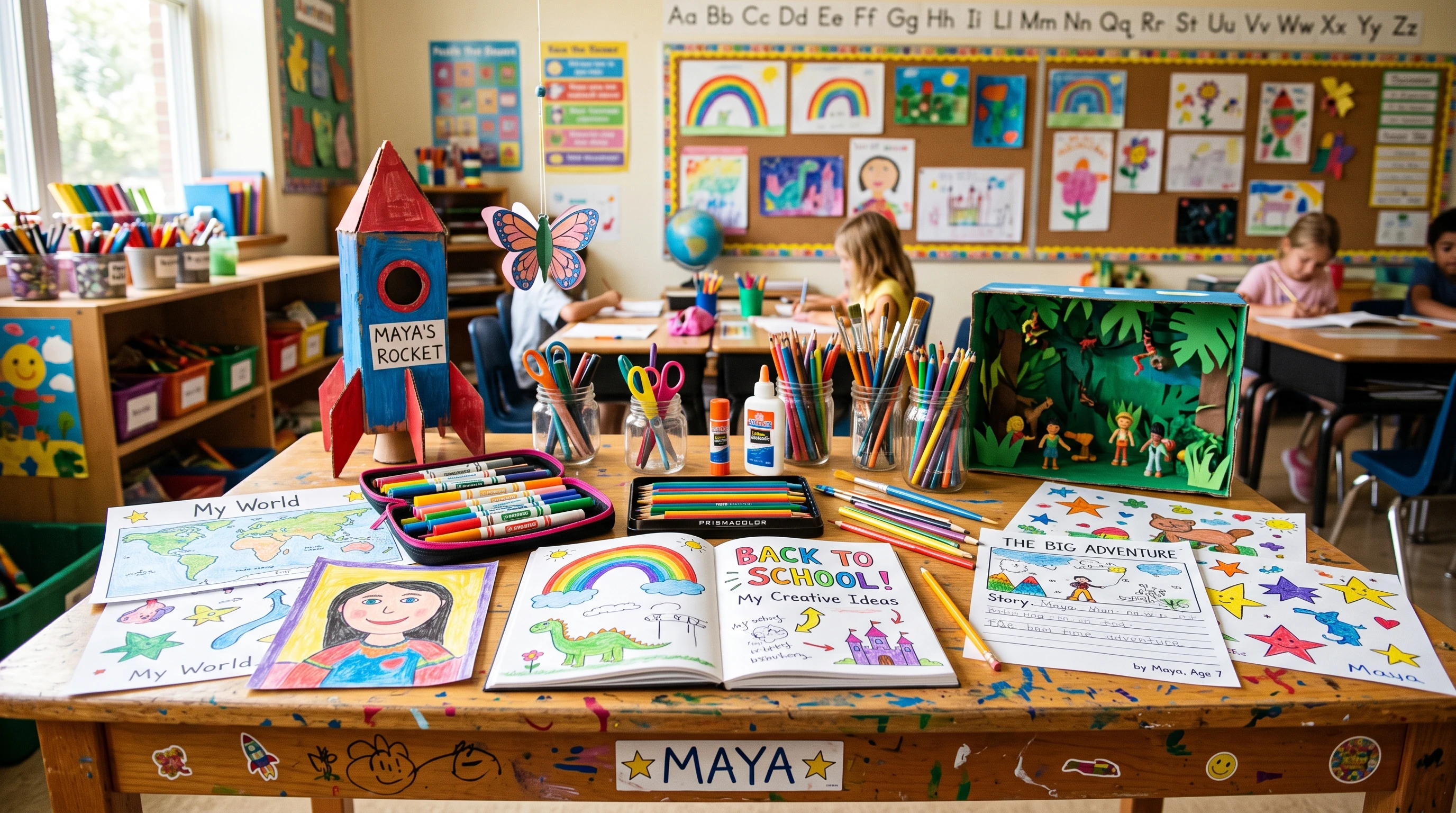
 Getting back into school mode after summer break can feel tough, even for kids who actually like writing. I’ve noticed the right activities can make all the difference. Instead of hitting students with high-pressure assignments, there’s serious value in kicking things off with creative, low-stakes writing fun—the kind where everyone gets excited, even if writing isn’t their favorite thing.
Designing treehouses, inventing new squishmallows, or building make believe islands; these prompts let personalities shine. The best part? Kids feel proud of what they imagine, instead of anxious about spelling, handwriting, or grammar. Starting the year with playful activities shows them writing can be about sharing cool ideas, not just about being perfect on paper. And when students laugh and swap ideas about wild inventions, they begin to bond as a class before any big essays are ever assigned.
Why Fun Writing Activities Work at Back to School
Kids head back to school with all sorts of feelings; excitement, nerves, maybe even a dose of “I forgot how to write.” High-pressure essays on the first week? Not the best idea. Low-pressure, high-fun activities break the ice and get everyone involved. These kinds of projects give students a way to express themselves, shake off the rust, and remember that writing is a tool for creativity, not just another subject.
For plenty of kids, drawing or designing something first—like a dream pet or a wild invention—opens up creative pathways. When I’ve tried these approaches, I keep noticing: even the students who “hate writing” end up wanting to share their ideas. They get invested in their creations, and writing comes along naturally as the next step. Plus, when classmates get to see one another’s designs, they start to hype each other up, leading to a super positive writing environment.
Start With Creation, Then Add Words
Put away the grammar worksheets for a bit. Ask students to create first, write second. The process might look like this:
- Drawing or building with craft supplies
- Labeling parts of their creation
- Using a graphic organizer (like a web or list) to jot down words or phrases
- Turning those words into a story or description, one idea at a time
Graphic organizers are super useful here. They help break down the jump from “I made something!” to “I’m going to write a few sentences about it.” For students who might freeze at the sight of a blank page, being able to brainstorm first feels way less scary. Some kids will end up writing just a few words or sentences. That’s fine. Others will turn their ideas into a whole story.
As an extra tip, encourage kids to add speech bubbles or sound effects to drawings. This makes writing come alive and helps even shy writers get started. Sometimes a labeled drawing with three fun facts is the perfect way to kick things off. When you make the creation step the priority, writing feels like a natural extension instead of a chore.
Make It About Abilities, Not Perfection
One thing that really matters is letting kids share what they CAN do, not focusing on what they can’t do yet. Back to school writing time doesn’t need to be about grading for neatness or spelling. Instead, I try to focus on progress and effort. If students produce something they’re proud of, that’s a huge win this early in the year.
Encouraging kids to add just one more detail or stretch their sentence is enough. If you show excitement for their creations, they’ll catch that spark and feel good about taking risks with writing. Positive feedback goes a long way. It keeps the fun going and builds confidence that will matter all year. Writing at this stage is more about storytelling and ideas than about mechanics, and that’s how it should be.
Low-Stakes Writing Prompts That Always Get Kids Involved
I have a few favorite prompts that work with pretty much any group. Each one invites creativity and is designed for max participation. Here are a few to try:
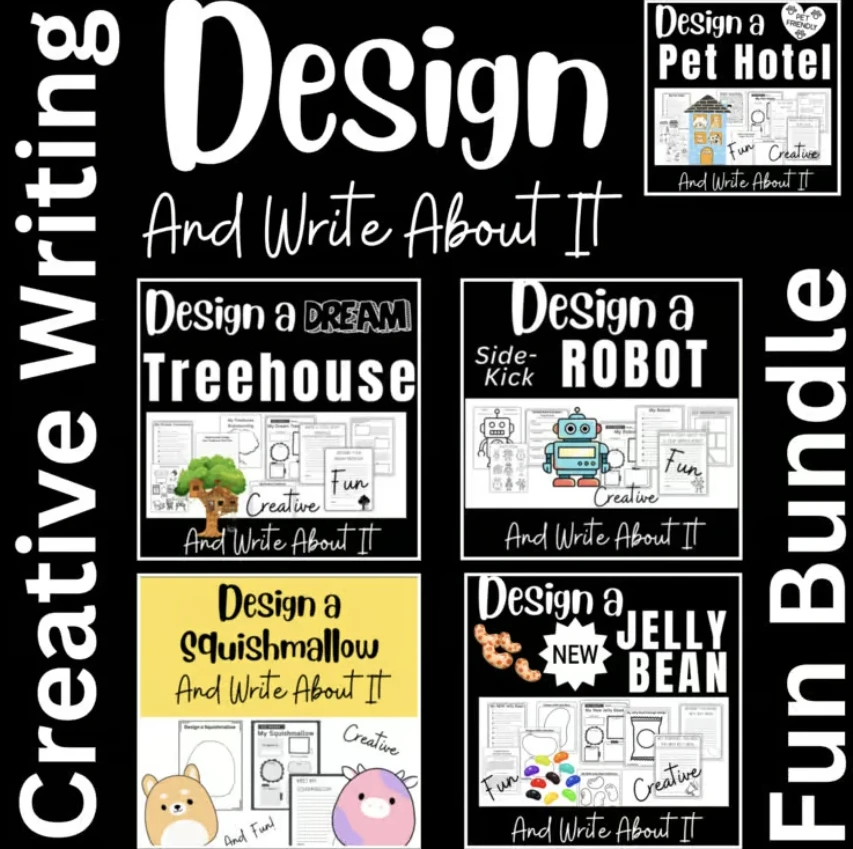
- Design a Treehouse: Have students draw their dream treehouse. Ask questions like: What rooms or features does it have? Who would they invite over? Use a graphic organizer to jot down ideas, then write a short tour or story. Check out this ready-to-use treehouse writing set.
- Create a Squishmallow: Let students invent a new Squish Mallow character. What does it look like? What’s its favorite activity or snack? Students draw it, label its traits, then use a web organizer to describe it in sentences. Here’s a fun graphic organizer and writing prompt for Squishmallow fans.
- Island Adventure: Ask students to invent their own island. What’s the climate? Which creatures live there? Encourage them to create a map, list main features, and imagine a short adventure for a visitor.
- Secret Door Exercise: Students draw and describe a secret door in their school or home. Where does it lead? What surprises are behind it? This prompt tends to get everyone laughing—and writing.
The key is to let the drawing or creating stage carry the excitement. Writing starts with brainstorming a few words or phrases, then moves at each child’s pace. For some, expanding on those brainstorms into a short tale feels natural; for others, labeling and describing is just right.
Using Graphic Organizers for Easy Wins
Graphic organizers are pretty handy when it comes to helping students move from “I have an idea” to “I can write about it.” I use webs, lists, or even simple boxes for adjectives, verbs, and details. Some kids need sentence stems like: “My treehouse has…” or “My squishmallow’s name is…” Others are ready to write more on their own.
I like to keep a stash of organizers nearby so students can choose the one that helps them most. For some, that’s just adding three labels to a drawing; for others, it’s writing a short paragraph using their notes. Success looks different for everyone, and that’s totally okay. Giving students ownership over how they plan their writing lets them build confidence without pressure.
Keeping Writing Activities Stress-Free
One thing I remind myself: the first weeks back are about building trust and getting involved—not about polished, publish-ready work. Keep everything light. Mistakes are normal, and every attempt is worth celebrating. This helps students who worry about writing know they’re in a supportive place.
If you send projects home, let families know these activities are about sparking ideas and building confidence, not about grading strict skills yet. You might even have a sharing day where kids show (and read a bit about) their creations. That sense of pride? It’s pretty powerful. Don’t forget, even the quietest student loves being cheered on by classmates and adults alike.
Common Questions & Simple Solutions
What if my child or student barely writes anything?
That’s completely normal, especially early in the year. Even drawing a design or labeling three features is a solid starting point. Build up to longer writing when they’re ready. Celebrate the effort, and growth will follow. Some students blossom quickly, while others need time—and that’s just fine.
How do I help a reluctant writer get started?
- Let them choose a fun topic; they’re more likely to write about something they love.
- Start with simple words, adjectives, or even just labels.
- Pair writing with drawing or hands on building to lower the pressure.
- Model the activity by drawing or writing alongside them so they can see it’s about ideas, not perfection.
How can I challenge kids who already love writing?
Offer options for stories, comic strips, or adding dialogue to their project. Encourage them to create a backstory or a short adventure involving their character. You could suggest they add rules for their island or even dream up a mystery taking place in their treehouse.
Tips for Success: Setting the Right Tone
Back to school writing activities work best when everyone’s effort is valued and nobody feels pressured to be perfect. I keep expectations loose, focus on creative expression, and let kids progress at their own pace. Celebrating small wins and showing genuine interest in every single project makes writing feel like something to look forward to, not something to dread.
- Pick a playful prompt that invites any ability level
- Stock up on drawing materials and handy graphic organizers
- Give lots of encouragement for creativity, not just “good handwriting” or great spelling
- Share and celebrate all types of writing, from labels to long stories
Every student can start the year feeling positive about writing. That’s a win for everyone, teachers and kids alike. Keeping the atmosphere supportive and enthusiastic sets the tone for even more creative writing adventures ahead!